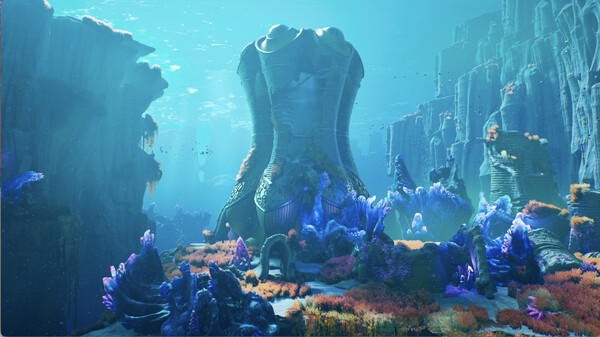
Subnautica 2 resource locations overview
Subnautica 2 resource locations are best learned as loops, not isolated coordinates. Early Access updates can move or rebalance exact spawns, but material families stay easier to manage when you separate shallow construction basics, electronics minerals, food and water ingredients, plant materials, and deeper vehicle or base upgrades.
Before leaving base, name the material family you are hunting. If the answer is “anything useful,” the route will probably end with a full inventory and one missing bottleneck.
Early resource families
| Resource family | Look for it when | Main use | Route advice |
|---|---|---|---|
| Shallow construction basics | Starting Lifepod and safe shallow loops. | Base pieces, early tools, simple storage. | Gather in short loops and return before oxygen pressure. |
| Electronics minerals | Tool, power, and wiring recipes become visible. | Scanner path, batteries, base power, systems. | Sort separately from generic building material. |
| Quartz and glass materials | Base pieces, windows, or equipment recipes need them. | Habitat setup and later equipment. | Do not overfill early inventory unless a recipe is ready. |
| Plant and biological materials | Recipes mention fiber, rubber, acid, lubricant, or Adaptation support. | Food, water, batteries, rubber-like items, special crafts. | Scan first; many new resources are easy to misidentify. |
| Deeper upgrade minerals | Tadpole, modules, or advanced tools are blocked. | Vehicle range, depth, power, and route expansion. | Scout with oxygen upgrades or vehicle support. |
Chinese and Traditional Chinese preview coverage both highlight that returning players must relearn many plant resources. Do not assume old Subnautica silhouettes map cleanly onto Subnautica 2. Scan samples, read recipes, and store unknowns separately until their use is clear.
Build resource loops
A useful loop starts at a safe oxygen point, passes two or three repeatable material clusters, and returns by landmarks you can describe. It should have one purpose: tool materials, base expansion, food and water, vehicle parts, or scan targets.
Use this loop format:
- Choose one recipe or shortage.
- Empty enough inventory for that family.
- Follow a known route first.
- Extend only one branch beyond the known route.
- Return, sort, and craft before starting a different material family.
This keeps Early Access route changes manageable. If a patch changes one spawn, the loop still tells you what biome edge, depth, or material type to scout next.
Resource risk by route type
Shallow resources are not automatically safe if you overstay. Caves, low visibility, and hostile fauna can make a common material more dangerous than a rare one. Around predator-heavy areas, treat the first pass as a scouting dive and avoid fighting as a default solution; Subnautica 2’s early tools are better at avoidance, scanning, and route control than combat.
When a route needs deeper materials, bring the right support first: oxygen, food, water, light if needed, clear storage space, and a return rule. Later, use the Tadpole to make long loops repeatable instead of turning every mineral run into a one-off risk.
Co-op resource handling
Co-op can gather faster, but it also hides resources faster. Put strategic materials in shared storage immediately: vehicle parts, electronics minerals, power materials, food and water ingredients, and anything tied to the next team craft. Personal lockers are fine for spare supplies, but they should not hide the item blocking a team upgrade.
If four players keep searching for the same resource, fix the storage and route plan before sending everyone out again.
How to confirm a new resource
When you find a new plant, creature drop, crystal, or ore, do not judge it only by appearance. Scan it if possible, check whether a recipe updated, and store one sample separately before filling your inventory. Subnautica 2 uses new resource names and new biological materials, so old habits from earlier games can send you to the wrong place.
After the first sample, decide whether the item is a route material, a recipe material, a food or water ingredient, or just a later-game unknown. That label tells you whether to farm it now, mark the route for later, or ignore it until a blueprint asks for it.
What to do next
Use minerals and ores for mineral families, crafting priorities before spending bottleneck items, and base building tips once your resource loops can support expansion.