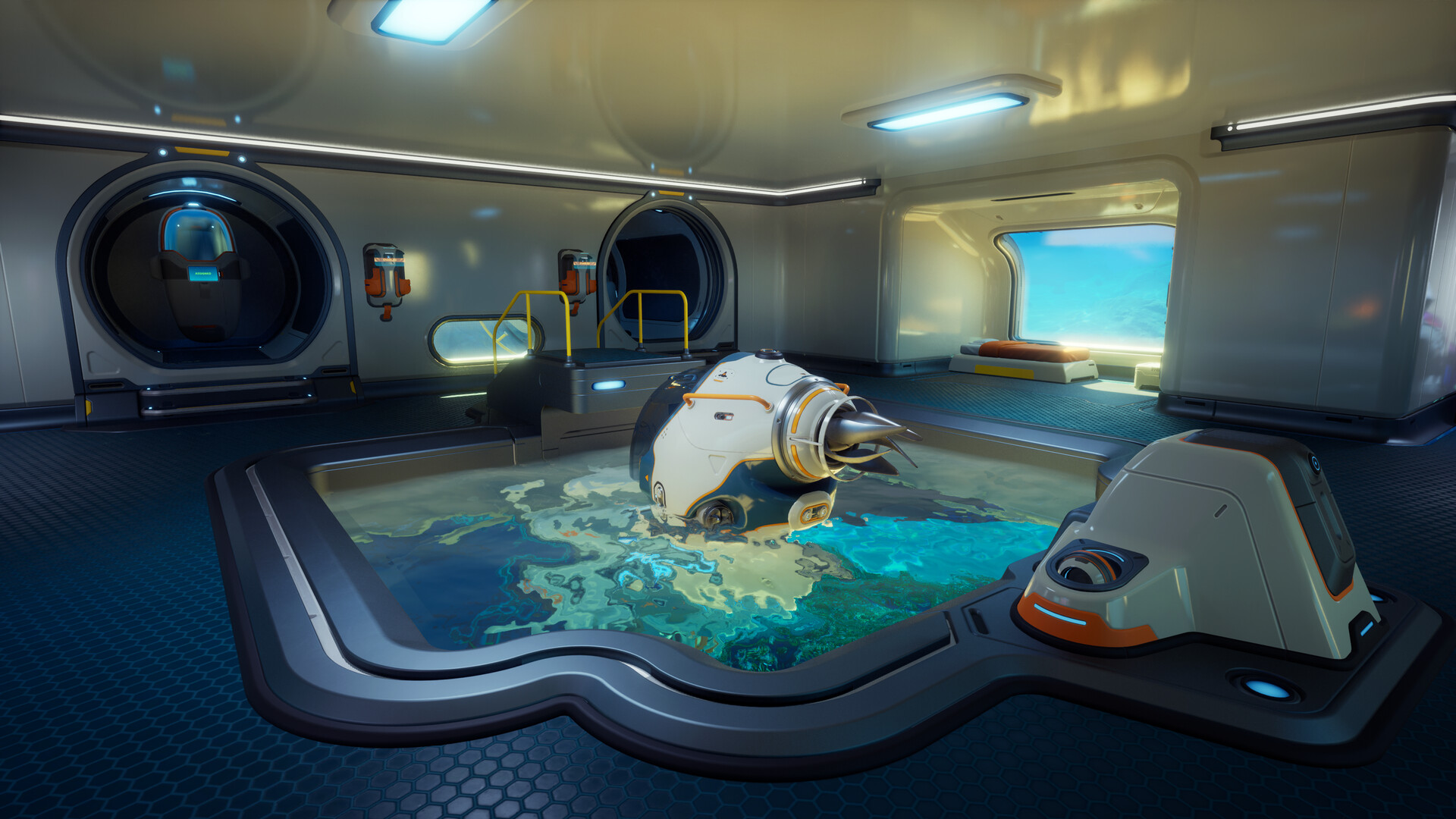
Subnautica 2 crafting priorities
Subnautica 2 crafting priorities should be tied to the next route, not to the newest recipe. In the Early Access build, recipes and scarcity can change, but the priority order is stable: information, oxygen, food and water, storage, power, route utility, then vehicle expansion. If a craft does not make the next dive safer or more productive, wait.
Hotfix 2 crafting priority update
Hotfix 2 changed crafting decisions indirectly by adding more Silver resource areas in the early-game region and more Troilite resource areas in the late-game region. That means launch-week advice about severe Silver or Troilite scarcity may now be too conservative. Do not spend rare materials casually, but do retest resource routes before delaying an important oxygen, electronics, base, or vehicle craft.
Use Silver and Troilite after Hotfix 2 when a recipe depends on those materials, and check Hotfix 2 update and patch notes before trusting old route videos.
Priority table
| Priority | Crafting focus | Examples | Why it comes first |
|---|---|---|---|
| 1 | Information | Scanner, scan-related routes, database unlocks. | Blueprints and clues decide the next craft. |
| 2 | Survival margin | Standard or larger oxygen tanks, emergency oxygen tools, food and water recipes. | Longer safe routes beat risky distance. Retest Silver routes if an oxygen or electronics craft is blocked. |
| 3 | Base workflow | Habitat Builder, hatch, corridor, power, storage, Fabricator support. | Turns materials into planned upgrades. Do not let decoration spend the same materials needed for power and storage. |
| 4 | Route utility | Sonic Resonator, repair path, light or mobility utility when the route needs it. | Opens blocked objectives and reduces route risk. |
| 5 | Vehicle progression | Tadpole parts, dock support, depth or efficiency upgrades. | Distance matters after routes and materials can support it. Recheck Troilite routes before delaying late vehicle support. |
| 6 | Comfort and decoration | Extra rooms, furniture, duplicate convenience tools. | Useful later, expensive too early. |
This order should flex around actual bottlenecks. If a Blackbox route is blocked by distance, vehicle prep rises. If food and water are unstable, survival crafting rises. If nobody can identify the next blueprint, the Scanner path stays first.
How to decide whether to craft
Before crafting, answer four questions:
- What route or problem does this item solve?
- Does it improve safety, information, mobility, food, water, storage, or power?
- Is another current recipe competing for the same bottleneck material?
- Will this still help if a patch changes exact spawn locations?
If the answer is vague, sort the materials and run a short scouting route instead. Good Subnautica 2 crafting creates a better next dive; bad crafting creates a prettier base with the same unsolved route problem.
Early survival crafts
Oxygen upgrades deserve high priority because they improve scanning, resource gathering, and story routes at the same time. Food and water crafts should be treated as progression support, especially before long signal trips or co-op sessions. A group that ignores food and water will burn more time farming emergency supplies than it saves by splitting up.
Keep consumable production close to storage. If the Fabricator, water materials, and emergency food are scattered, every route starts with friction.
Base and vehicle spending
Build a minimal base before a large one. A starter base should have power, a hatch, storage, and Fabricator workflow before it has decorative expansion. Add Processor, Scanner Station, Bio Lab, battery support, or vehicle support when the surrounding routes justify them.
The Tadpole is a major progression craft, but it should not be your excuse to skip preparation. Build toward it when repeated long routes, Blackbox paths, or cargo needs make distance the main bottleneck. Once crafted, upgrade it according to the route that is actually blocked: depth, power, cargo, noise, or survival support.
After Hotfix 2, Tadpole planning also needs a behavior check: Hammerheads are no longer as attracted to Tadpole lights, but parking and route discipline still matter. If a vehicle craft is meant to support risky wildlife routes, pair this page with Hammerhead and Tadpole lights.
Co-op crafting rules
Co-op crafting needs a shared priority list. Scans and technology progress can benefit the whole team, but materials disappear into individual choices quickly. Put strategic resources in clearly named storage categories and announce when you craft from them.
Good co-op spending order:
- Team Scanner and tool coverage before duplicate convenience items.
- Shared base power and storage before personal room expansion.
- Tadpole and vehicle support before low-impact decoration.
- Emergency food, water, and repair supplies before deep group dives.
Patch-sensitive material handling
During Early Access, the craft that feels expensive today may become easier later, and a common material may become a real bottleneck after a new recipe is added. Do not build your whole storage plan around one version’s scarcity. Instead, keep materials grouped by role: electronics, base infrastructure, food and water, biological samples, vehicle parts, and unknowns. That structure stays useful even when recipes move.
When a patch changes a recipe, update the route before updating the habit. Ask which resource family changed, which route now feeds it best, and whether the craft still solves the same problem. If the craft no longer improves the next dive, demote it and protect the material for the new bottleneck.
What to do next
Use resource locations to gather for a specific recipe, early tools to refine the tool order, and base building tips before turning stored materials into a larger base.