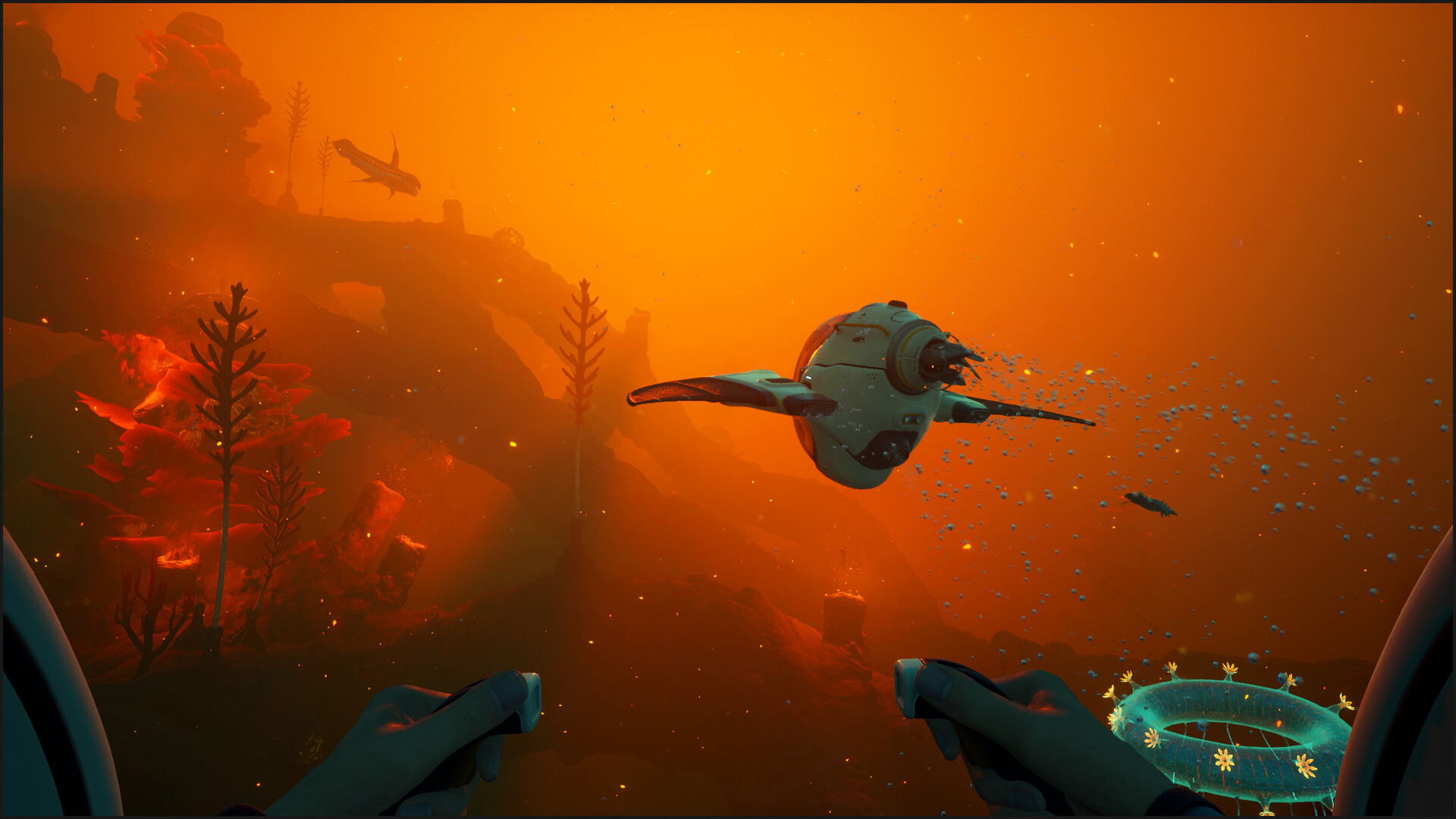
Subnautica 2 deep dive checklist overview
This Subnautica 2 deep dive checklist helps you prepare before pushing into longer, deeper, or less familiar routes. Deep dives fail when the objective is vague, inventory is cluttered, tools are untested, or the return rule is decided too late. Early Access updates may change exact hazards and rewards, but a structured checklist keeps exploration safer.
Define the objective
Every deep dive should have one main objective. “Explore deeper” is too vague. Better objectives are “find the route entrance,” “scan one fragment cluster,” “gather one material family,” or “test the Tadpole path to a biome edge.” A clear objective tells you when to leave.
Use this objective table:
| Objective | Success condition | Leave when |
|---|---|---|
| Scout route | Entrance and exit identified | Route stops being clear |
| Scan fragments | Main scan completed | Oxygen buffer reached |
| Gather materials | Target material collected | Inventory target complete |
| Test vehicle path | Vehicle can return safely | Route becomes confusing |
| Co-op expedition | Team reaches shared target | Any player hits abort condition |
The oxygen management guide explains how to set the return threshold.
Check tools and inventory
Bring only tools that support the objective. Too many tools can clutter decisions, while missing one required tool can waste the trip. Empty unnecessary materials before leaving so you have room for target resources and unexpected finds.
Pre-dive checks:
- Scanner ready if the objective includes fragments or objects.
- Light or visibility support for caves or dark routes.
- Enough inventory space for the target material.
- Vehicle or base support if distance is the bottleneck.
- Clear storage plan for what you bring back.
If the route exists to solve a crafting bottleneck, review crafting priorities before leaving.
Set the abort condition
An abort condition is a rule that ends the dive even if the objective is not complete. This prevents greed from turning progress into a rescue situation. Good abort conditions include low oxygen buffer, unclear route, full inventory, tool failure, separated co-op team, or unexpected hazard.
Say the abort condition before leaving. In co-op, everyone should know it. The co-op roles guide helps make sure one player does not push while another is already in trouble.
Vehicle support
If using the Tadpole, treat it as a staging point. Know where you parked it, how to return to it, and what you will do after leaving it. Vehicle support is strongest when it shortens the route and preserves oxygen, not when it encourages endless side exploration.
For vehicle-specific planning, read the Tadpole guide and Tadpole upgrades.
After the dive
The dive is not complete when you return. Store materials, write a short mental route note, craft the upgrade if possible, and decide whether the route is worth repeating. If the route was confusing, do not farm it yet. Scout it again with a narrower objective.
Good route notes include landmark, material family, hazard, and return cue. Keep them short enough to remember during play.
What to do next
Use this checklist before any route that feels longer than your comfort zone. Pair it with deep biome progression, resource farming routes, and survival strategy.
Quick pre-dive callout
Say the plan in one sentence before leaving: “We are going to this landmark, doing this objective, and leaving when this condition happens.” That sentence catches vague trips before they become risky. If you cannot say the plan clearly, the dive needs more preparation or a smaller first objective.
Post-dive review
After returning, decide whether the dive created a repeatable route, a future route, or a warning. A repeatable route can become a farming or scanning loop. A future route needs better preparation. A warning means the objective was too broad or the safety margin was too thin. This review turns even unfinished dives into progression.
Do not schedule a second deep dive until the review produces one concrete change. That change might be a tool craft, a Tadpole upgrade, cleaner storage, a new base outpost, or a narrower objective. Repeating the same dive unchanged usually repeats the same failure.
For solo play, say the checklist out loud or write a short note before leaving. For co-op, make one player repeat the objective and abort rule. If the plan sounds unclear on the surface, it will be worse underwater.
Current Early Access coverage notes
This Subnautica 2 deep dive checklist page has been aligned with the expanded Subnautica 2 Early Access guide library. Subnautica 2 entered Early Access on May 14, 2026, and Unknown Worlds has said the game will continue receiving hot fixes, focused improvements, and larger updates that expand biomes, creatures, resources, tools, vehicles, and story content. Because of that, this guide should be read as a practical decision path rather than a fixed list of permanent coordinates.
When using this guide in the current build, start with one clear objective: safer opening progression, a specific crafting unlock, a repeatable resource route, or a more reliable return path. Check oxygen, food, water, storage, and tool slots before leaving base. If the route becomes unclear, return early and turn the information you gathered into a better second dive. That habit is more valuable than forcing one risky trip to do everything.
How this guide fits the expanded wiki
Game8-style guide hubs separate broad walkthroughs from item, tool, location, creature, biomod, and troubleshooting references. This site now follows the same coverage model while keeping the advice original and conservative. Use Subnautica 2 Deep Dive Checklist as the main context page, then move into the narrower entry pages when you need a specific material, module, facility, biome, or bug-fix answer.
The most useful next step is to connect this page with beginner guide, resource locations, crafting priorities. Those related guides cover the adjacent decisions that usually determine whether the next dive is productive: what to craft first, where to scout, how to manage oxygen, and when to stop expanding a route.
Expanded route depth
Use this page as part of a larger progression chain instead of reading it in isolation. Before acting on Subnautica 2 deep dive checklist, check what the next dive is supposed to accomplish, what material or scan would make the route safer, and what condition should make you turn back. That small planning step keeps Early Access changes from turning the guide into a brittle checklist.
For solo play, keep the route conservative: leave with spare inventory, return before oxygen becomes tight, and write down what changed after each trip. For co-op, assign one player to route safety, one to scanning or gathering, and one to storage or vehicle support. Shared progress works best when everyone knows the objective before leaving base.
If a patch changes an unlock, biome edge, recipe, or tool value, update the decision first rather than memorizing the old detail. The most useful follow-up reading is oxygen management, tadpole guide, deep biome progression, because those pages connect this topic to crafting, resources, route safety, and the next practical upgrade.