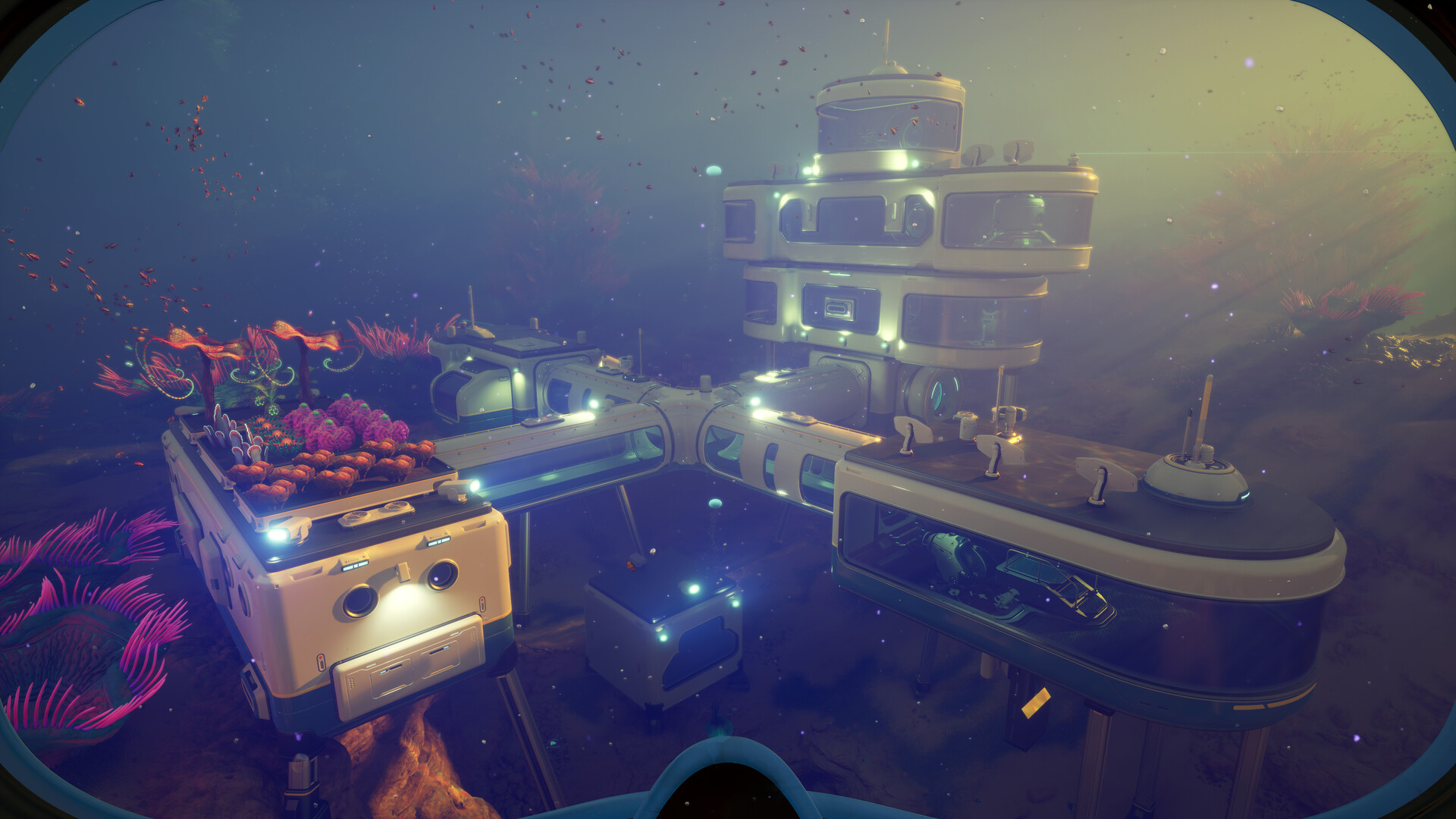
Subnautica 2 co-op base planning overview
Subnautica 2 co-op base planning is about making the base easy for the whole team to use. A base that works for one player can become confusing when multiple players gather, scan, craft, and leave at the same time. Since Subnautica 2 supports online co-op and Early Access systems may change, focus on durable base roles: shared storage, route staging, crafting workflow, and regrouping.
Start with shared jobs
Before expanding rooms, decide what the base does for the team. A co-op base usually needs four jobs: store shared materials, support crafting, prepare route groups, and make resource shortages visible. If the base does not do those jobs, more space will not fix it.
Useful base zones:
| Zone | Purpose |
|---|---|
| Shared crafting | Everyone knows where upgrades happen |
| Common storage | Basic materials stay easy to find |
| Strategic storage | Rare or route-limited materials are protected |
| Vehicle planning | Tadpole and upgrade parts stay grouped |
| Route staging | Players prepare before deep dives |
Keep these zones readable even if the physical base is compact.
Storage rules for teams
The biggest co-op base failure is hidden material ownership. If one player stores vehicle parts in a personal locker and another stores base materials in overflow, the team will farm duplicates. Use shared categories and announce changes after major routes.
Good team storage rules:
- One place for vehicle and upgrade parts.
- One place for base power materials.
- One place for common crafting materials.
- Overflow must be sorted before the next major expedition.
- If someone takes materials for a craft, they should say what was built.
For the detailed system, read storage organization.
Build for role flow
Co-op roles should move through the base cleanly. A scout needs route supplies and vehicle access. A gatherer needs empty storage and category clarity. A builder needs base materials and power parts. A scanner-focused player needs crafting access for unlocks.
If players keep blocking each other or asking where materials are, the base layout is not supporting roles. Rearrange before expanding.
The co-op roles guide helps define those responsibilities.
Power and expansion in co-op
Co-op groups often expand too quickly because several players gather materials at once. Do not let fast gathering hide weak power or messy storage. Build enough power for the base role, then expand only when the extra space supports a route or workflow.
Ask before adding rooms:
- Does this room support a team objective?
- Does power handle it?
- Does storage remain easy to find?
- Does it shorten route prep?
- Does it create another place for materials to disappear?
If the answer is uncertain, upgrade organization first.
Route staging from the base
A co-op base should make expeditions easier to start. Before a deep dive, players should know who is scanning, who is gathering, who is driving or scouting, and where supplies come from. A staging area does not need special decoration; it just needs clear access to tools, vehicle parts, emergency supplies, and route materials.
Pair base staging with the deep dive checklist so the team leaves with the same objective.
What to do next
Make the co-op base a shared workflow, not a collection of personal rooms. Continue with shared resources, co-op guide, and power and storage before expanding into larger builds.
Quick co-op base checklist
Before a group session ends, check whether everyone knows where common materials, vehicle parts, strategic minerals, and route supplies belong. If the answer is no, fix labels mentally and consolidate categories before the next expedition. A base that is clear at logout is much easier to resume later.
Team base review
At the end of a co-op session, review the base like a new player would. Can someone find tools, power materials, vehicle parts, and route supplies without asking? If not, the team needs fewer categories or clearer zones. Good co-op base planning reduces conversation about where things are, leaving more attention for exploration.
When the team disagrees on expansion, choose the build that helps the next shared objective. A route staging area, power fix, or storage cleanup usually beats a larger room if the team still lacks materials, unlocks, or route confidence.
Current Early Access coverage notes
This Subnautica 2 co-op base planning page has been aligned with the expanded Subnautica 2 Early Access guide library. Subnautica 2 entered Early Access on May 14, 2026, and Unknown Worlds has said the game will continue receiving hot fixes, focused improvements, and larger updates that expand biomes, creatures, resources, tools, vehicles, and story content. Because of that, this guide should be read as a practical decision path rather than a fixed list of permanent coordinates.
When using this guide in the current build, start with one clear objective: safer opening progression, a specific crafting unlock, a repeatable resource route, or a more reliable return path. Check oxygen, food, water, storage, and tool slots before leaving base. If the route becomes unclear, return early and turn the information you gathered into a better second dive. That habit is more valuable than forcing one risky trip to do everything.
How this guide fits the expanded wiki
Game8-style guide hubs separate broad walkthroughs from item, tool, location, creature, biomod, and troubleshooting references. This site now follows the same coverage model while keeping the advice original and conservative. Use Subnautica 2 Co-op Base Planning as the main context page, then move into the narrower entry pages when you need a specific material, module, facility, biome, or bug-fix answer.
The most useful next step is to connect this page with beginner guide, resource locations, crafting priorities. Those related guides cover the adjacent decisions that usually determine whether the next dive is productive: what to craft first, where to scout, how to manage oxygen, and when to stop expanding a route.
Expanded route depth
Use this page as part of a larger progression chain instead of reading it in isolation. Before acting on Subnautica 2 co-op base planning, check what the next dive is supposed to accomplish, what material or scan would make the route safer, and what condition should make you turn back. That small planning step keeps Early Access changes from turning the guide into a brittle checklist.
For solo play, keep the route conservative: leave with spare inventory, return before oxygen becomes tight, and write down what changed after each trip. For co-op, assign one player to route safety, one to scanning or gathering, and one to storage or vehicle support. Shared progress works best when everyone knows the objective before leaving base.
If a patch changes an unlock, biome edge, recipe, or tool value, update the decision first rather than memorizing the old detail. The most useful follow-up reading is multiplayer guide, shared resources, storage organization, because those pages connect this topic to crafting, resources, route safety, and the next practical upgrade.