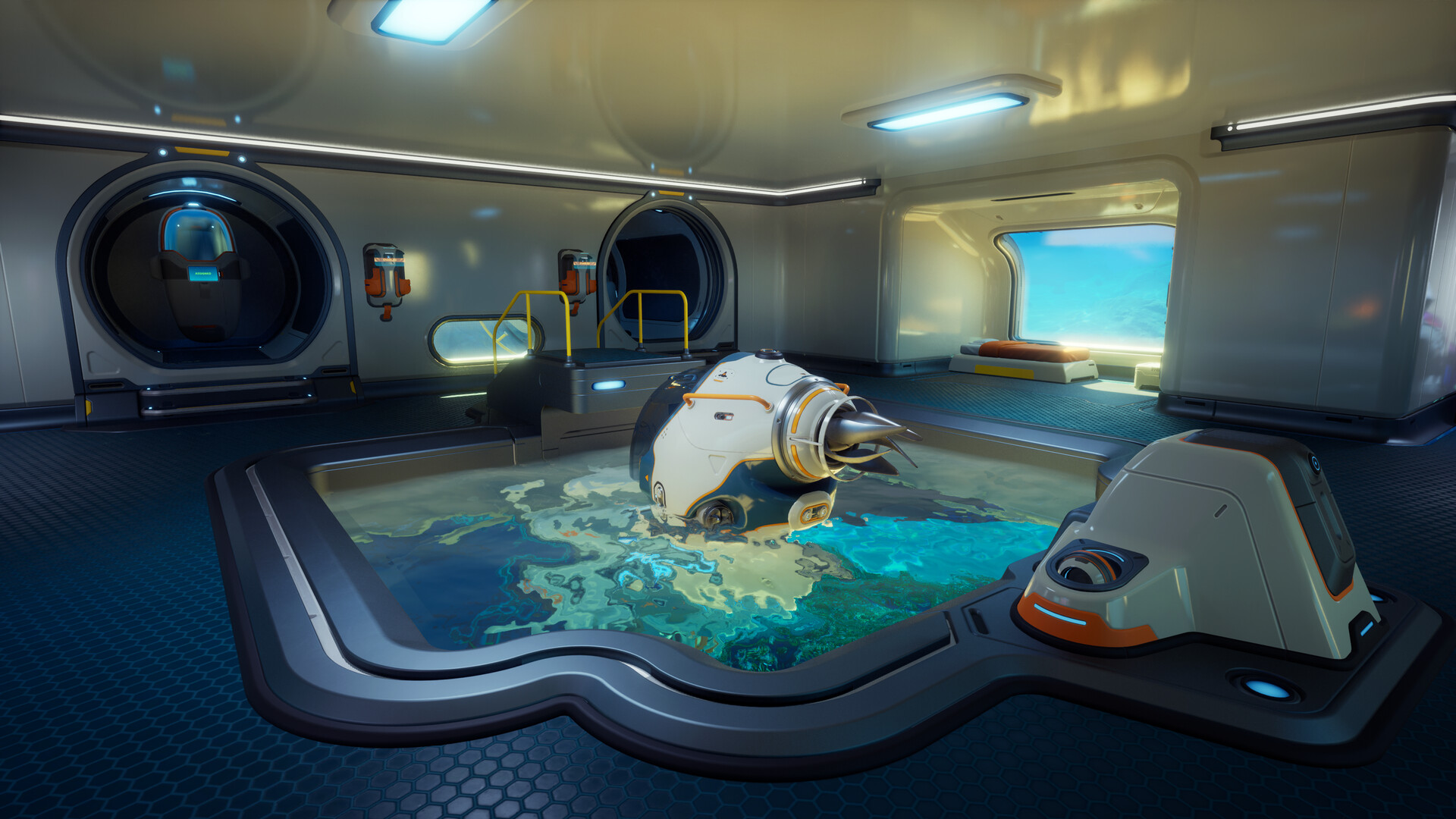
Subnautica 2 early tools guide overview
This Subnautica 2 early tools guide ranks tools by what they unlock, not by how exciting they sound. The strongest early tools reveal information, build a workflow, open blocked routes, or keep you alive long enough to return. Optional movement and lighting tools can help, but they should not consume materials needed for scanning, oxygen, or base support.
Subnautica 2 is still in Early Access, so exact recipes may change. Use the priority logic below when the in-game Fabricator disagrees with an older guide.
Recommended early tool order
| Priority | Tool | Craft when | Why it matters |
|---|---|---|---|
| 1 | Scanner | You can safely gather the recipe materials. | Unlocks blueprints, creature data, Adaptations clues, and progression context. |
| 2 | Habitat Builder | You can support basic power and storage. | Enables a functional base instead of repeated Lifepod trips. |
| 3 | Oxygen support | Routes feel short or scans are being abandoned. | Makes every resource and story route safer. |
| 4 | Sonic Resonator | Infected growths, larger mineral deposits, or blocked objectives require it. | Opens routes that basic tools cannot solve. |
| 5 | Repair Tool | Vehicles, base systems, or damaged tech become part of the loop. | Prevents damaged infrastructure from stopping progress. |
| 6 | Air Bladder, fins, flashlight, mobility utility | You have spare materials or a specific route need. | Helps with emergency ascent, speed, or visibility, but is usually secondary. |
The Scanner deserves special attention because one scan can change the whole craft order. If you can scan a safe fragment now, scan it before committing materials to a convenience craft.
How each early tool changes routes
The Scanner changes questions into objectives. It tells you whether a fragment, plant, creature, or structure matters and often points toward the next recipe or Adaptation.
The Habitat Builder changes your return pattern. A small base with power, storage, and Fabricator support lets you stage longer routes, organize materials, and stop wasting time on back-and-forth trips.
The Sonic Resonator is a route opener. Use it when the game shows infected growths, large resource blockers, or routes that clearly cannot be handled by the Survival Multitool alone.
Repair utility becomes important when the route includes vehicles, base systems, or damaged modules. Do not delay it once your progress depends on keeping equipment functional.
Tools to delay
Delay tools that only make an already safe route slightly nicer. A flashlight can be useful in dark spaces, but if you are not ready for those spaces, oxygen or scanning may matter more. Fins and swim-speed tools can reduce travel time, but they do not replace route memory. Air Bladder can save mistakes, but it should not become your plan for every dive.
This does not mean these tools are bad. It means they should answer a real route problem.
Co-op tool coverage
In co-op, do not let every player craft the same low-impact tool first. Shared scanning and shared technology progress mean one player can focus on scanning while another gathers, another builds storage, and another watches the return route. Duplicate critical tools later, after the team has stable supplies.
At the start of a session, assign tool coverage:
- Scanner carrier for safe fragments and creature data.
- Builder for base pieces, storage, and power.
- Materials runner for recipe bottlenecks.
- Route support for oxygen, food, water, and hazard calls.
Test tools before deep routes
After crafting a new tool, test it on a known route. Scan two nearby fragments, inspect the first branch of a cave, clear a nearby blocker, or repair a safe target. Do not take a new tool straight into the deepest route available; learn timing, battery pressure, inventory impact, and exit paths first.
Battery and inventory pressure
Early tools also create upkeep. A Scanner or light source that runs out of power during a route can be worse than delaying the trip, and a tool belt packed with unused items leaves less room for the material that actually completes the craft. Before leaving, decide which tools are active for the current objective and which can stay stored.
Use extra batteries, repair supplies, and personal tools only when the route justifies them. For a short scan loop, stay light. For an infected growth route, bring the Sonic Resonator path and enough inventory space for the result. For vehicle support, bring repair expectations rather than hoping the Tadpole returns undamaged.
What to do next
Use scanner priorities for scan order, crafting priorities before spending bottleneck materials, and Tadpole guide when distance becomes the next tool problem.